Introduction
In today's competitive task market, the transition from classroom learning to real-world application is more crucial than ever. Students and specialists alike are looking for methods to equate their work experiences into scholastic credits. This short article checks out the detailed procedure of evaluating work experience for education credit, underlining its significance in personal and professional advancement.

As we look into this topic, we will talk about numerous elements of scholastic credential assessment, global credential assessment services, course-by-course credential examination, and how they associate with work experience assessment. Additionally, we'll check out professional viewpoint letters and company strategy assessments as part of this complex journey.
From Classroom to Profession: Evaluating Work Experience for Education Credit
The bridge between classroom education and career success often includes acknowledging the value of practical experience. Many trainees build up substantial work experience throughout internships or part-time tasks that might not be formally acknowledged by educational institutions. However how can one make sure that these experiences count toward their academic credentials?
Why Evaluate Work Experience?
Evaluating work experience is vital for a number of reasons:
Types of Credential Evaluation
Understanding the various kinds of credential examinations readily available can help people browse this procedure effectively.
Academic Credential Evaluation
Academic credential examination assesses foreign instructional qualifications against established standards in another nation. This process is vital for international trainees or workers intending to show their educational background.
International Credential Assessment Services
These services concentrate on evaluating foreign credentials and identifying their equivalency in the host country's educational system. They supply reports that outline the level and type of education got abroad.
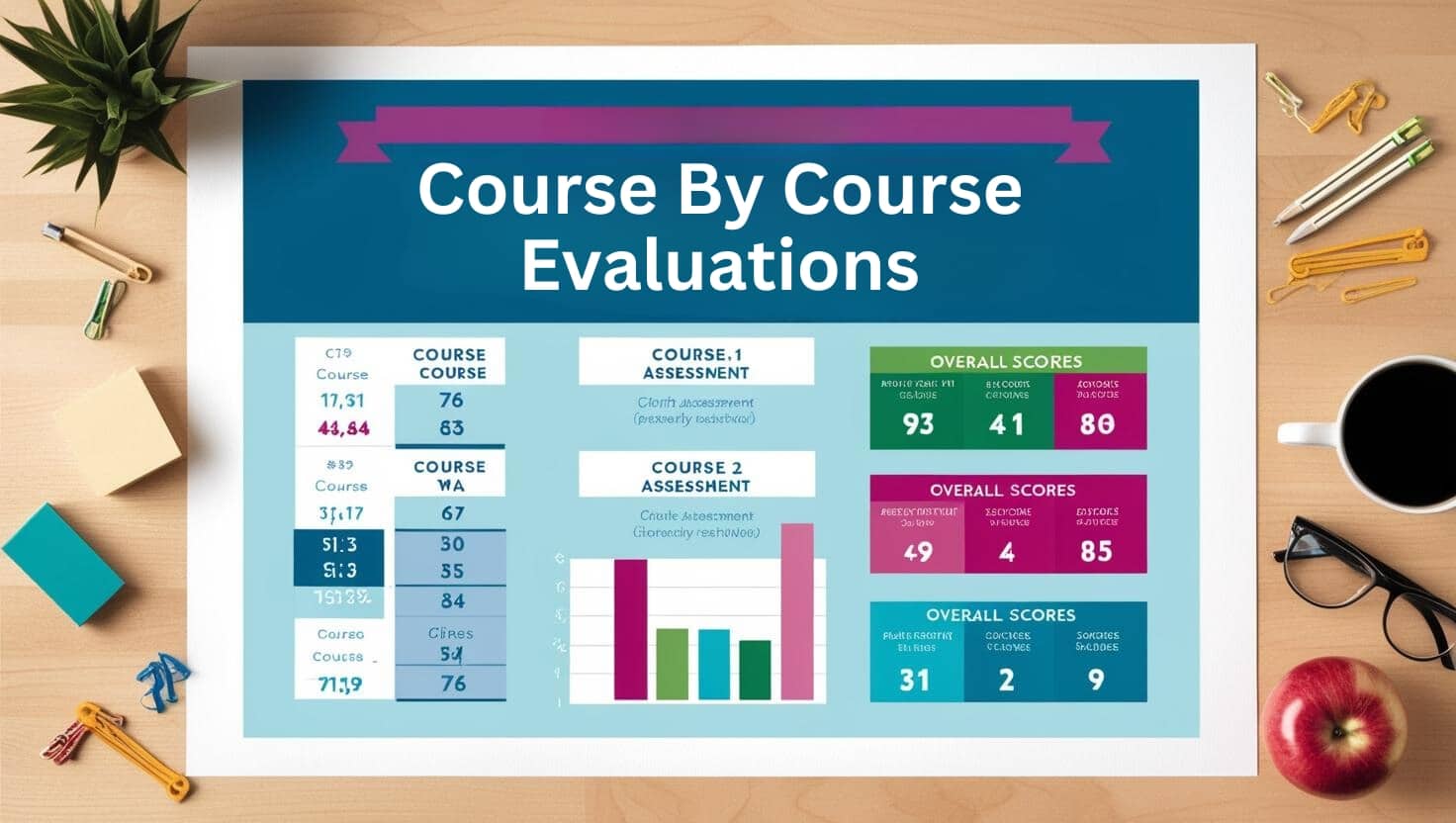
Course-by-Course Credential Evaluation
This comprehensive analysis breaks down each course taken throughout a degree program, providing insights into grades made and credit hours completed. It's particularly helpful for trainees aiming to move credits between institutions.
Work Experience Evaluation
Work experience evaluation serves as a method to officially examine non-academic skills gotten through employment or volunteer activities. Here's how it works:
Documentation: Individuals need to gather documents such as task descriptions, efficiency reviews, and any relevant certifications. Comparative Analysis: The critic compares this info versus developed instructional competencies. Outcome: The result may cause academic credits granted based on demonstrated understanding and skills.The Role of Professional Opinion Letters
An expert viewpoint letter can bolster your case when looking for credit for work experience. These letters usually come from industry professionals who can vouch for your skills and https://writeablog.net/brittexyyx/enhancing-the-process-with-international-credential-examination-solutions-online contributions in a specific field.
What Must a Professional Opinion Letter Include?
- An introduction of your function in the organization Specific abilities you developed How your experiences associate with academic outcomes
Having a professional endorse your abilities not only lends reliability however likewise improves your overall portfolio when looking for innovative research studies or positions.
Business Strategy Examination as a Learning Tool
Creating a service strategy can be an outstanding way to display your understanding of theoretical concepts applied in real-world circumstances. A comprehensive evaluation of a company plan may highlight competencies such as strategic thinking, monetary planning, and market analysis.
FAQs
1. What kinds of work experiences receive scholastic credit?
Typically, work experiences that straight connect to your field of study or demonstrate transferable abilities are qualified for academic credit.
2. How do I discover worldwide credential evaluation services?
You can search online directory sites or talk to universities that frequently have collaborations with reliable credential evaluators.
3. Exists a cost associated with acquiring a skilled opinion letter?
Yes, lots of experts charge for their time invested writing these letters; however, some might use them pro bono depending upon the situation.
4. Can I receive credit for overdue internships?
Absolutely! Overdue internships often provide invaluable experience and can be evaluated likewise to paid positions.
5. For how long does the credential assessment procedure take?
The timeline differs based upon the service utilized however normally ranges from a few weeks to a number of months.
6. Are there specific documents required for course-by-course evaluations?
Yes, you will require records from all post-secondary organizations attended, along with in-depth course descriptions when possible.
Conclusion
Transitioning from class knowledge to career preparedness needs recognizing the significance of useful work experiences in education credit examinations. As we have checked out in "From Classroom to Career: Evaluating Work Experience for Education Credit," both students and professionals stand to acquire significantly by leveraging their real-world experiences towards their scholastic goals.
By using different types of assessments-- be it through scholastic credential examinations or expert opinion letters-- people can improve their credentials while promoting lifelong knowing concepts that adhere closely to today's dynamic workforce demands.
In summary, welcoming both theoretical understanding from classrooms in addition to experiential learning acquired through professional engagements produces well-rounded prospects all set to take on the obstacles ahead in their careers.